Dr. Naomi Tague presents “Modeling drought-related disturbance in water-limited environments” today at the Computational Methods in Water Resources (CMWR) XXI International Conference held at the University of Toronto, Canada.

Ecohydrology Research Lab based at the University of California Santa Barbara's Bren School of Environmental Science and Management.

Dr. Naomi Tague presents “Modeling drought-related disturbance in water-limited environments” today at the Computational Methods in Water Resources (CMWR) XXI International Conference held at the University of Toronto, Canada.
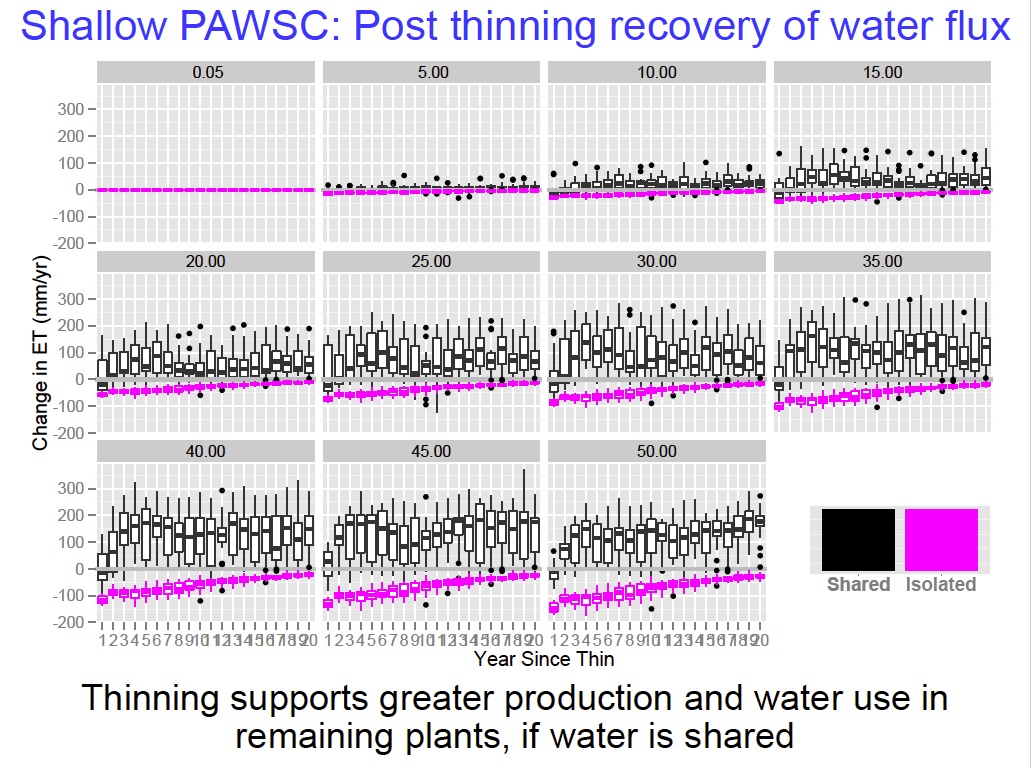
If you missed the CBI webinar given by Naomi Tague this morning, you can still listen/watch below, access it at the CBI website, or download a pdf of the slides presented in the webinar.
Naomi Tague will be giving the webinar presentation “Subsurface storage and drought in a changing climate in the California Sierra” at the Conservation Biology Institute on Tuesday, May 3rd, from 10 – 11am. Click here to register and attend the webinar.

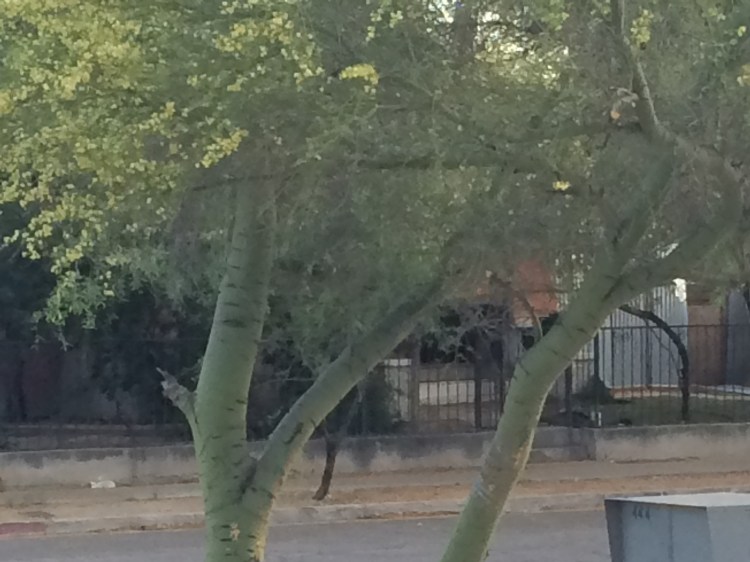
Trees that photosynthesize through their bark!
The new Natural Resource and Environment Building at the University of Arizona is an elegant example of urban design meets ecohydrology – where the whole building (with its inner courtyards open to the air) is a rainwater harvesting system
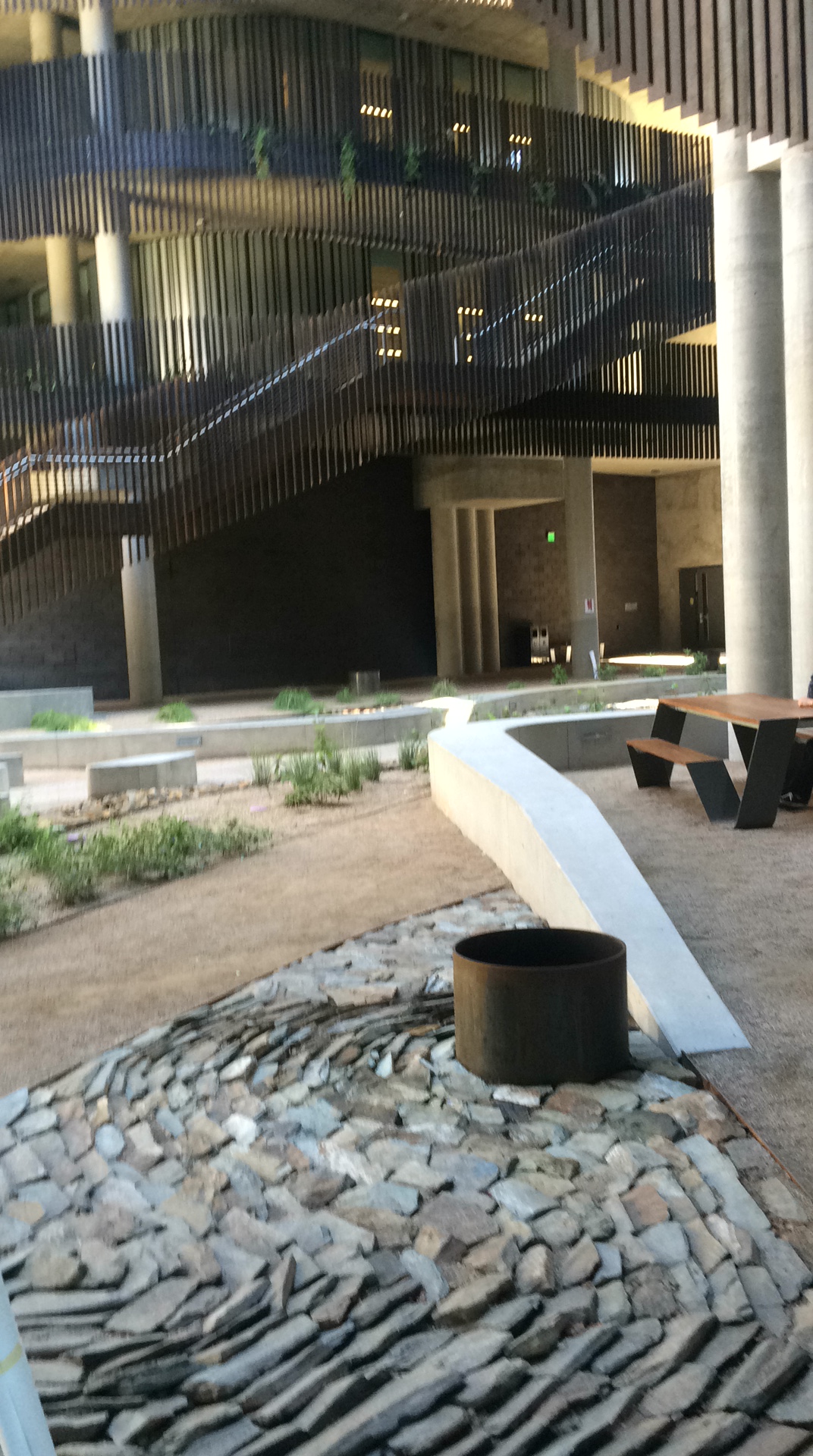
Very cool….Naomi
And also
Naomi goes to University of Arizona to give the 2016 Chester C. Kisiel Memorial Lecture
Kisiel Memorial Lecture http://www.hwr.arizona.edu/chester-c-kisiel-memorial-lecture
Abstract
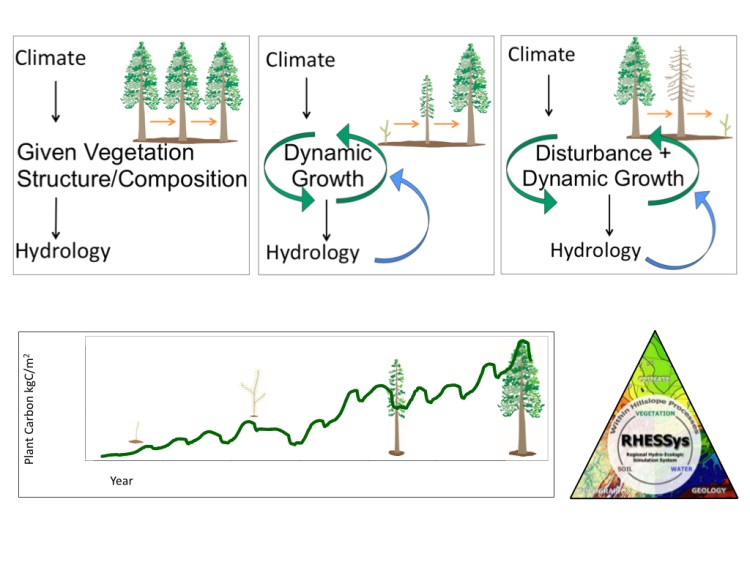
One of the goals of eco-hydrology is to be able to estimate how much water plants use. Plant water use often comprises a substantial fraction of the water budget, influencing water flux to the atmosphere, recharge to groundwater and surface water. At the same time how much water plants are able to access is often a key control on plant growth, carbon sequestration and vulnerability to pathogens, insects and fire. Eco-hydrology investigates how plant water use changes with climate, and the effects of planned and unintentional changes to the landscape through disturbance, land management practices and development. In recent decades, a multiplicity of techniques have been used to improved estimates of plant water use ranging from tree-scale measurements to flux tower measurements of stand-scale behavior to regional/global scale remote sensing. Process-based models provide a complementary approach that can be used to guide, explain and synthesize these measurements. This talk will demonstrate this often under-utilized role of process-based models. Using case-studies from the Western-US, I will show how model-data integration can provide insight into how warmer temperatures and drought influence forest water use and vulnerability to drought-related disturbance and whether forest management practices can mitigate this vulnerability. Results emphasize the utility of new geophysical data collection at multi-PI observatories (such as the Critical Zone Observatory Network and Long-Term Ecological Research Sites) and the importance of new informatics tools that support the evolution of environmental information systems.

Joint UCSB/SDSU doctoral student Geoffrey Fouad recently presented his PhD dissertation and earned his doctorate degree. Naomi Tague served as a committee member for his dissertation, “Flow duration curve prediction for ungauged basins: a data-driven study of the contiguous united states”.

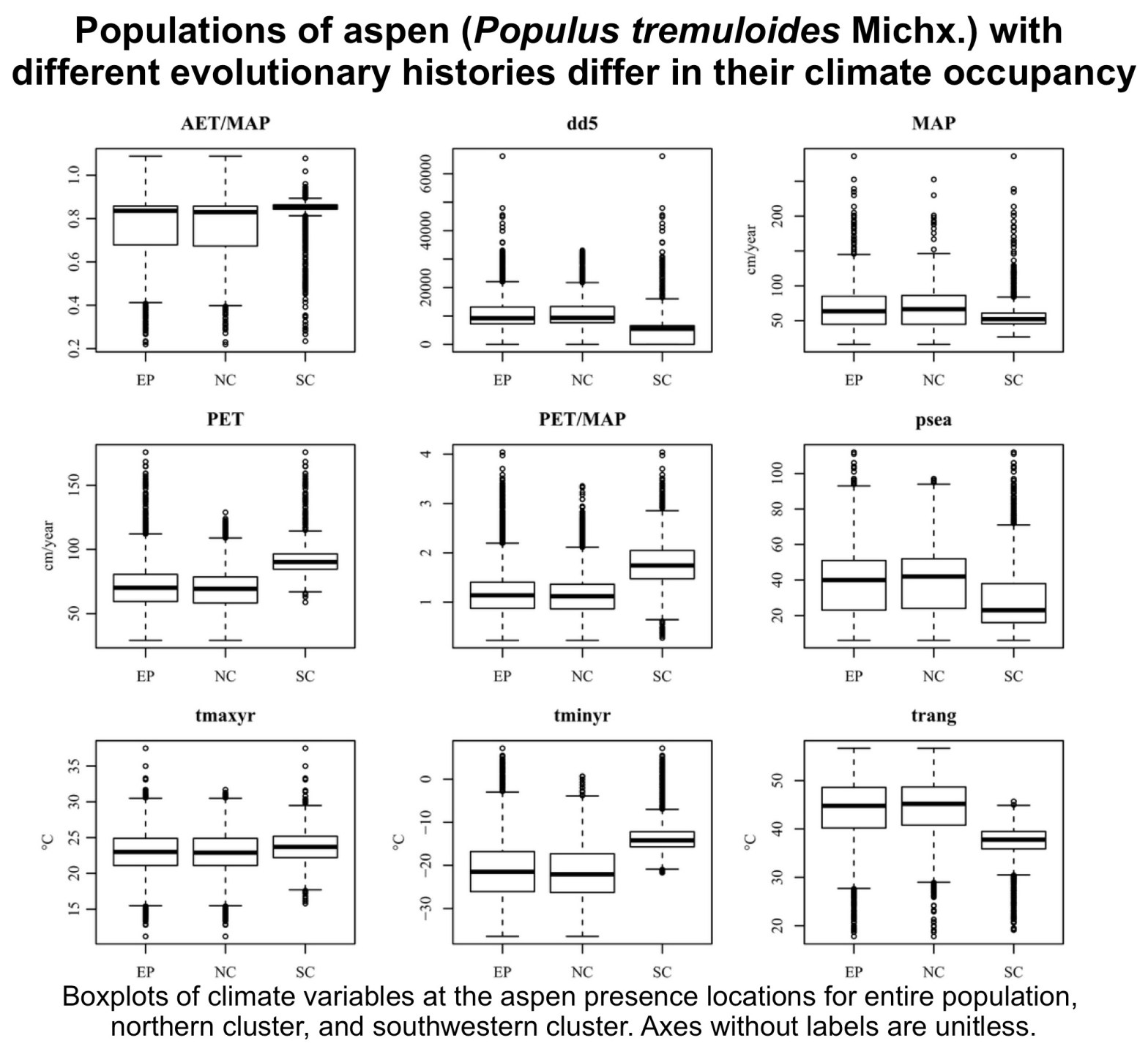
New publication in Ecology and Evolution, “Populations of aspen (Populus tremuloides Michx.) with different evolutionary histories differ in their climate occupancy“.
Greer, B. T., Still, C., Howe, G. T., Tague, C. and Roberts, D. A. (2016), Populations of aspen (Populus tremuloides Michx.) with different evolutionary histories differ in their climate occupancy. Ecol Evol. doi:10.1002/ece3.2102
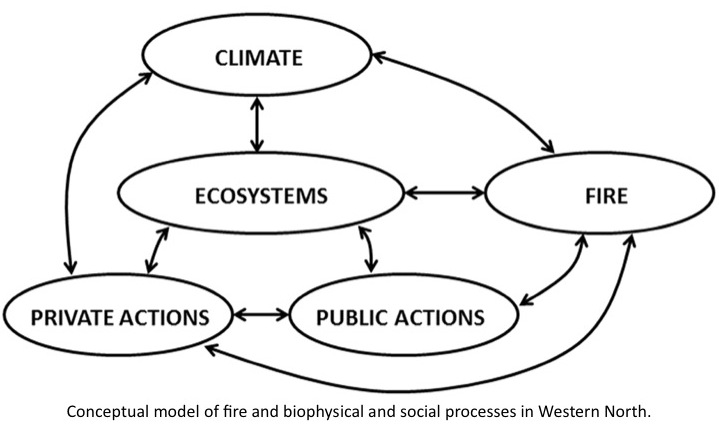
Naomi Tague is a co-author on new publication in Geography Compass titled “Social Science/Natural Science Perspectives on Wildfire and Climate Change“.
Citation:
Ayres, A., Degolia, A., Fienup, M., Kim, Y., Sainz, J., Urbisci, L., Viana, D., Wesolowski, G., Plantinga, A. J., and Tague, C. (2016) Social Science/Natural Science Perspectives on Wildfire and Climate Change. Geography Compass, 10: 67–86. doi: 10.1111/gec3.12259.

Tague Team Lab PhD student Chris Heckman participated in Graduate Research Advocacy Day in Sacramento on March 16th, 2016. Chris was selected as a UCSB advocate to educate lawmakers about the importance of graduate research and its contribution to California’s economy and progress. Chris was able present his research on “Managing forests in an era of drought” and tell lawmakers about his work using a computer model to research how the vast variability in soil water storage across the Sierra Nevada will affect vegetation response to climate change, and how his studies will help forest managers design a more balanced approach to conserving forest health and downstream water supplies into the future.


 The Tague Team Lab