

This study examined one drought adaptation strategy, changes in planting decisions, using Airborne Visible/Infrared Imaging Spectrometer (AVIRIS) imagery from June 2013, 2014, and 2015 from the Central Valley of California. Shivers, S.W., Roberts, D.A., McFadden, J.P., Tague, C. (2018) Using Imaging Spectrometry to Study Changes in Crop Area in California’s Central Valley during Drought, RemoteContinue reading “New Publication in Remote Sensing”
Tag Archives: Publications
New Publication in Water

In this new publication, RHESSys was used to simulate future potential land cover and climate change impacts on inflow to a reservoir in NE Spain and the plausible implications for management strategies. Zabalza-Martínez, J., Vicente-Serrano, S.M., López-Moreno, J.I., Borràs Calvo, G., Savé, R., Pascual, D., Pla, E., Morán-Tejeda, E., Domínguez-Castro, F., Tague, C.L. (2018) TheContinue reading “New Publication in Water”
New publication “Before the Storm”

Given changing climate regimes and intensification of human modifications of the landscape, this new publication addresses the need for a better understanding of the influence of antecedent conditions on watershed function in the context of extreme climate events that disproportionately impact highly populated regions. McMillan, S.K., Wilson, H.F., Tague, C.L., Hanes, D.M., Inamdar, S., Karwan,Continue reading “New publication “Before the Storm””
Re-thinking the paired watershed approach from the bottom up

In the new comment “Water sustainability and watershed storage – a comment” published in Nature Sustainability, the authors suggest re-thinking the traditional forest water sustainability question to include how watershed storage and forest access to that storage influence the water cycle. McDonnell, J.J., Evaristo, J., Bladon, K.D., Buttle, J., Creed, I.F., Dymond, S.F., Grant, G., Iroume, A.,Continue reading “Re-thinking the paired watershed approach from the bottom up”
The news is spreading!

The essay “Wildfires are inevitable – increasing home losses, fatalities and costs are not” by Max Moritz, Naomi Tague, and Sarah Anderson published earlier this month in The Conversation has been picked up and widely distributed by a number of other publications as well: Scientific American Heavy.com Sun Journal Science Alert Homeland Security Newswire Phys.orgContinue reading “The news is spreading!”
Tague contribution to CA Climate Change Assessment Report

Naomi Tague was a contributing author to California’s Fourth Climate Change Assessment: Central Coast Region Report, which was released this week along with a release event by the California Adaption Forum (CAF).
Wildfires are inevitable – increasing home losses, fatalities and costs are not

Naomi Tague, Max Moritz, and Sarah Anderson were just published in The Conversation about their research on the salience of wildfire and the dangers of disaster-driven responses, which argues that big shifts from thinking about fighting wildfire to living with it need to be made.
RHESSys Fire Spread model mentioned in Economist article

“Forewarned is forearmed” Naomi Tague was interviewed about using RHESSys to model fire spread in the Science and Technology section of The Economist for the article “Software can model how a wildfire will spread“.
The dangers of disaster-driven responses to climate change

New publication “The dangers of disaster-driven responses to climate change” just published in Nature Climate Change from Sarah E. Anderson, Ryan R. Bart, Maureen C. Kennedy, Andrew J. MacDonald, Max A. Moritz, Andrew J. Plantinga, Christina L. Tague and Matthew Wibbenmeyer.
Plant response to changes in subsurface water – new publication
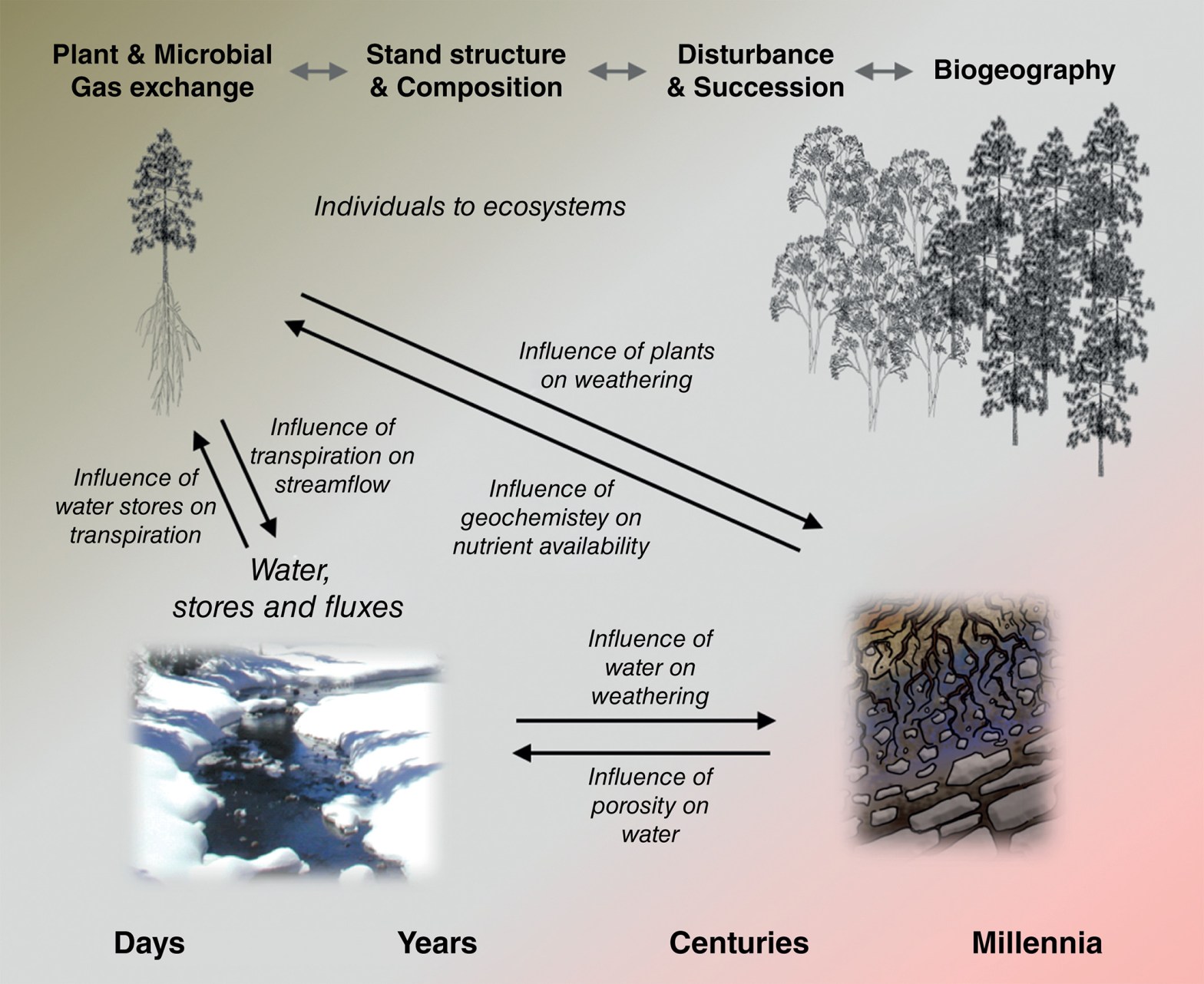
The research in this new publication enhances understanding of deep subsurface water storage across landscapes and identifies key remaining challenges in predicting and managing response to climate and land use change in mountain ecosystems of the Sierra Nevada and in other Mediterranean climates worldwide. Klos, P.Z., Goulden, M.L., Riebe, C.S., Tague, C.L., O’Geen, A.T., Flinchum,Continue reading “Plant response to changes in subsurface water – new publication”
 The Tague Team Lab