

New publication “The dangers of disaster-driven responses to climate change” just published in Nature Climate Change from Sarah E. Anderson, Ryan R. Bart, Maureen C. Kennedy, Andrew J. MacDonald, Max A. Moritz, Andrew J. Plantinga, Christina L. Tague and Matthew Wibbenmeyer.
Category Archives: Publications
Dr. Elizabeth Garcia presentation
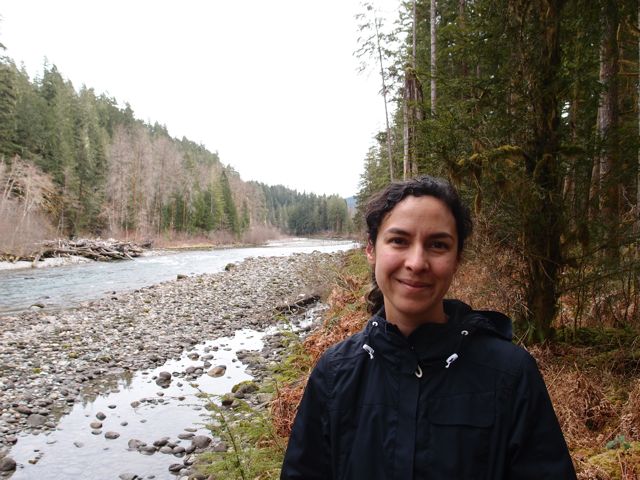
Former Tague PhD student Dr. Elizabeth Garcia, now a Water Resources Hydrologist at Seattle Public Utilities, returned last week to present “Water Management at Seattle Public Utilities” in Dr. Tague’s Climate Change Impacts and Adaptation class.
Town hall event now online
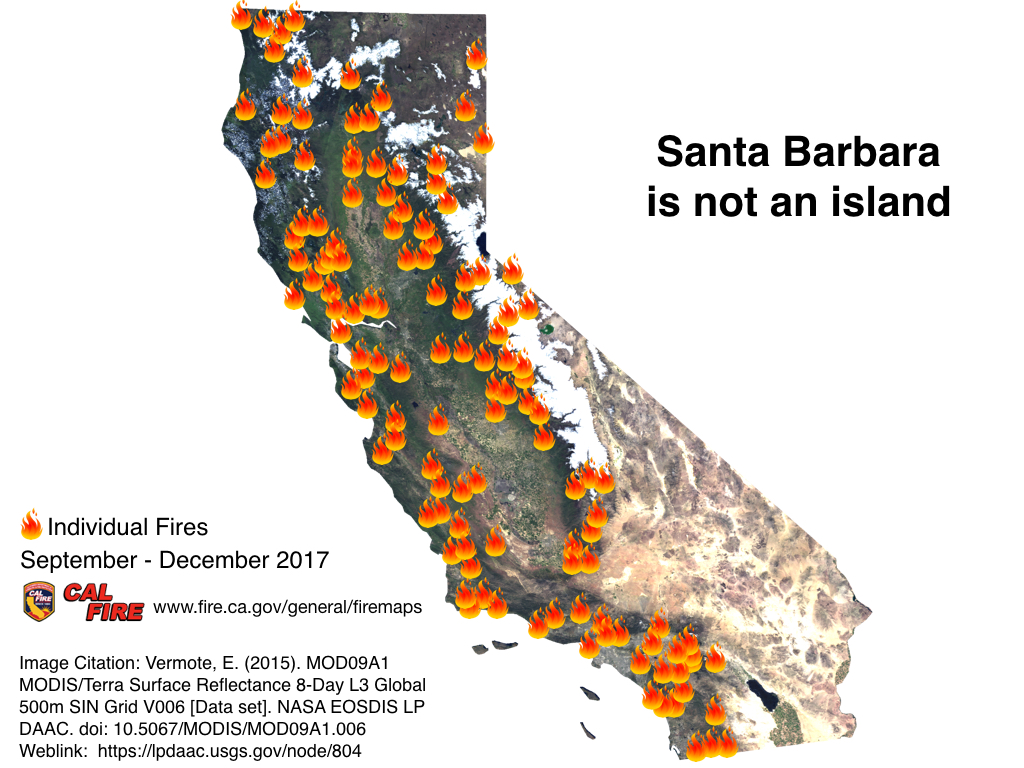
In case you were unable to make it in person, video of last month’s town hall event “Drought, Fire, and Flood: Climate Change and Our New Normal” is now online.
Plant response to changes in subsurface water – new publication
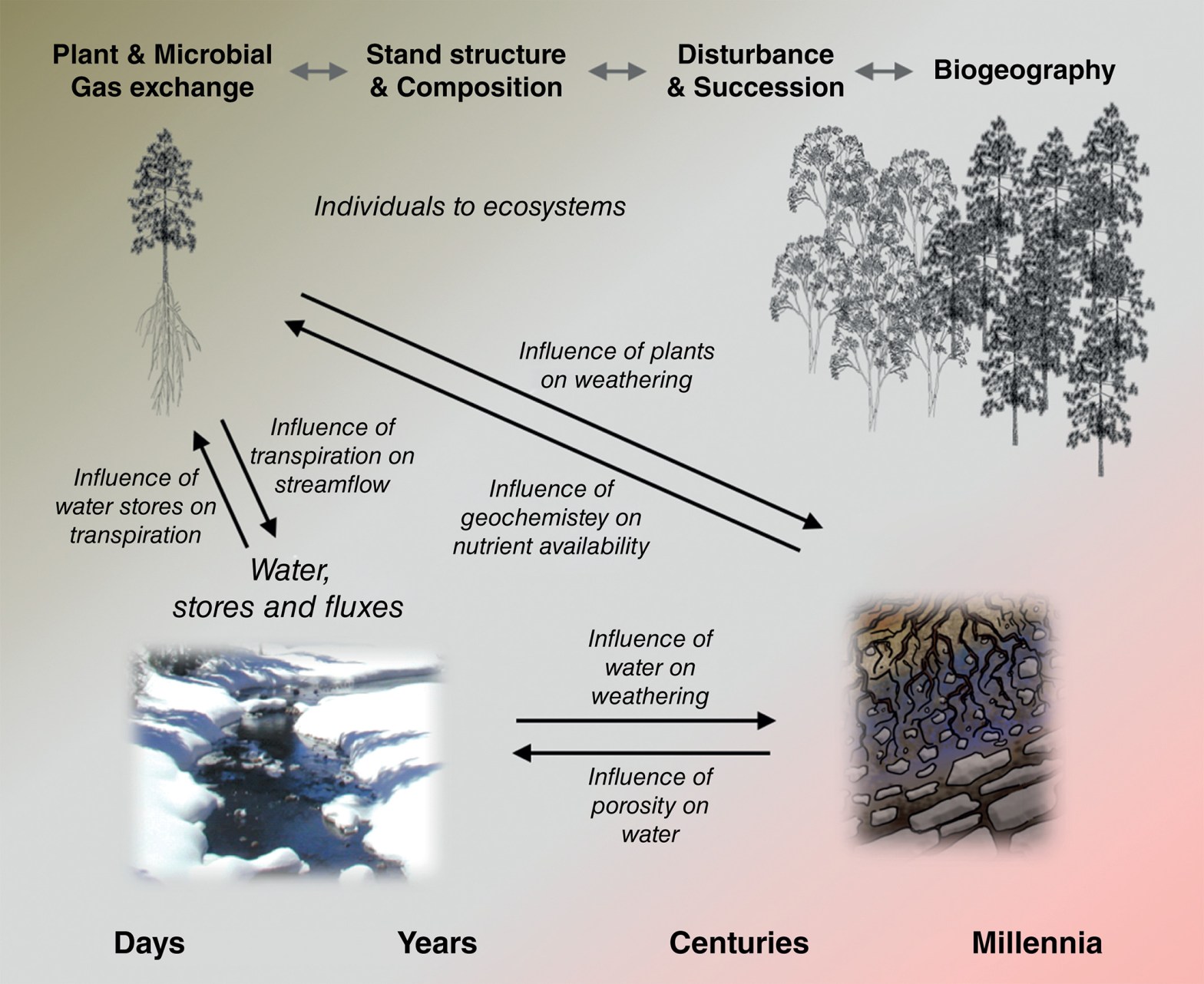
The research in this new publication enhances understanding of deep subsurface water storage across landscapes and identifies key remaining challenges in predicting and managing response to climate and land use change in mountain ecosystems of the Sierra Nevada and in other Mediterranean climates worldwide. Klos, P.Z., Goulden, M.L., Riebe, C.S., Tague, C.L., O’Geen, A.T., Flinchum,Continue reading “Plant response to changes in subsurface water – new publication”
New Publication!
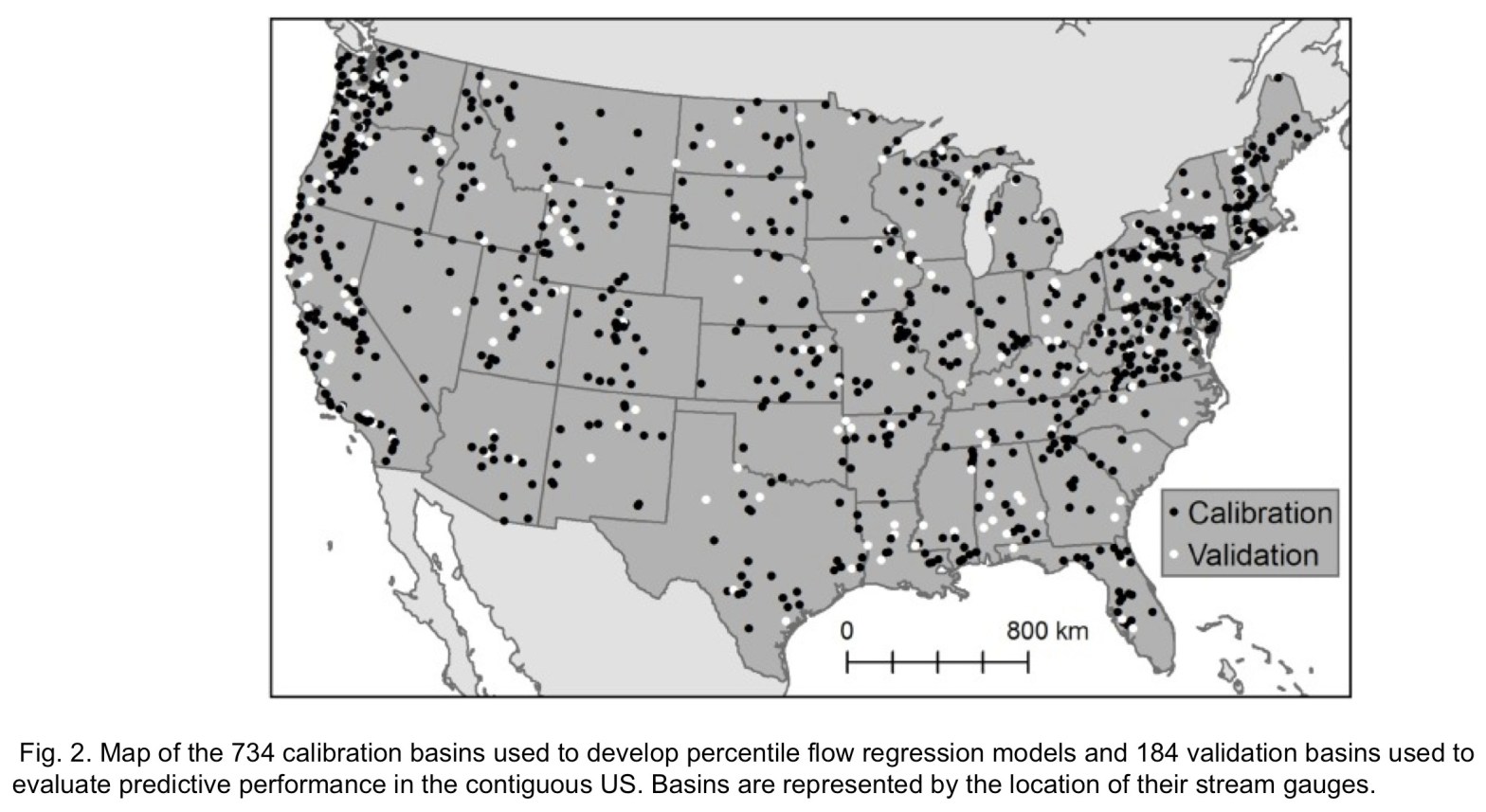
In this new publication, regional regression models using a set of three variables (mean annual precipitation, potential evapotranspiration, and baseflow index) selected via expert assessment was found to be effective in predicting percentile flows and performed similarly to larger sets of variables selected using a data-driven method. Fouad, G., Skupin, A., Tague, C.L. (2018) Regional regressionContinue reading “New Publication!”
Climate Change and Our New Normal
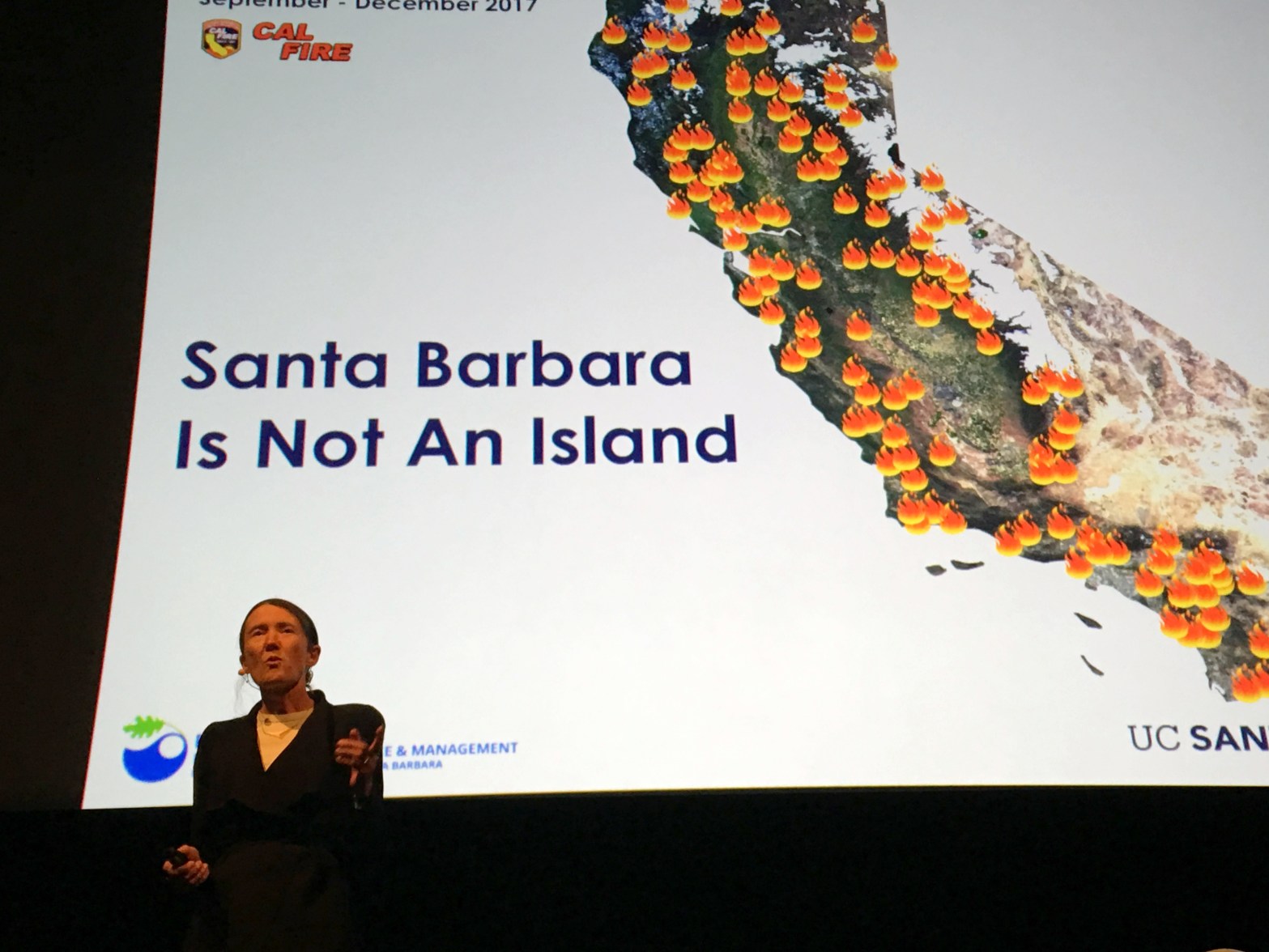
Town hall event at Granada Theater emceed by UCSB Bren School Faculty.
Tague lab part of a new multi-UC campus research grant

The Tague lab will take part in a three-year project to improve the projection of water resources under a range of future scenarios, titled “Headwaters to Groundwater: Resources in a Changing Climate,” led by UCSB Professor Jeff Dozier, and also includes researchers from Lawrence Livermore National Laboratory, UC Davis, UC Irvine, UCLA, and UC Merced.
New approach to model initialization of vegetation published
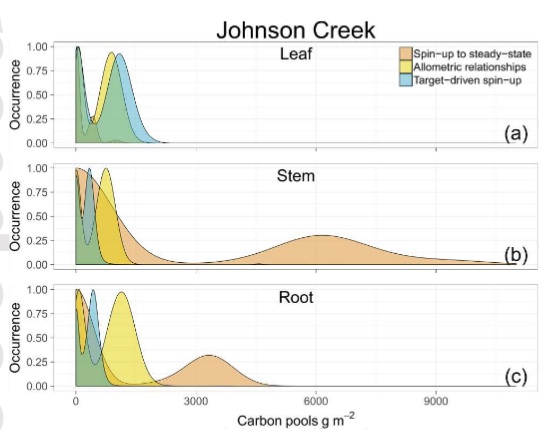
New publication from Tague Team Lab member Dr. Erin Hanan et al. about a new approach for initializing vegetation stores in a watershed model. Typical initialization methods such as spin‐up to steady state (which assumes uniform vegetation age across a landscape) or remote sensing with allometric relationships (which are species and region specific and doContinue reading “New approach to model initialization of vegetation published”
Post Doc Opportunity

The department of physical geography and ecosystem science with the Lund University GIS Centre in Lund, Sweden is seeking a Post Doctoral researcher for a position in GIS and hydrological modelling. Information about this opportunity can be found by following this link
Bren PhD Student Symposium
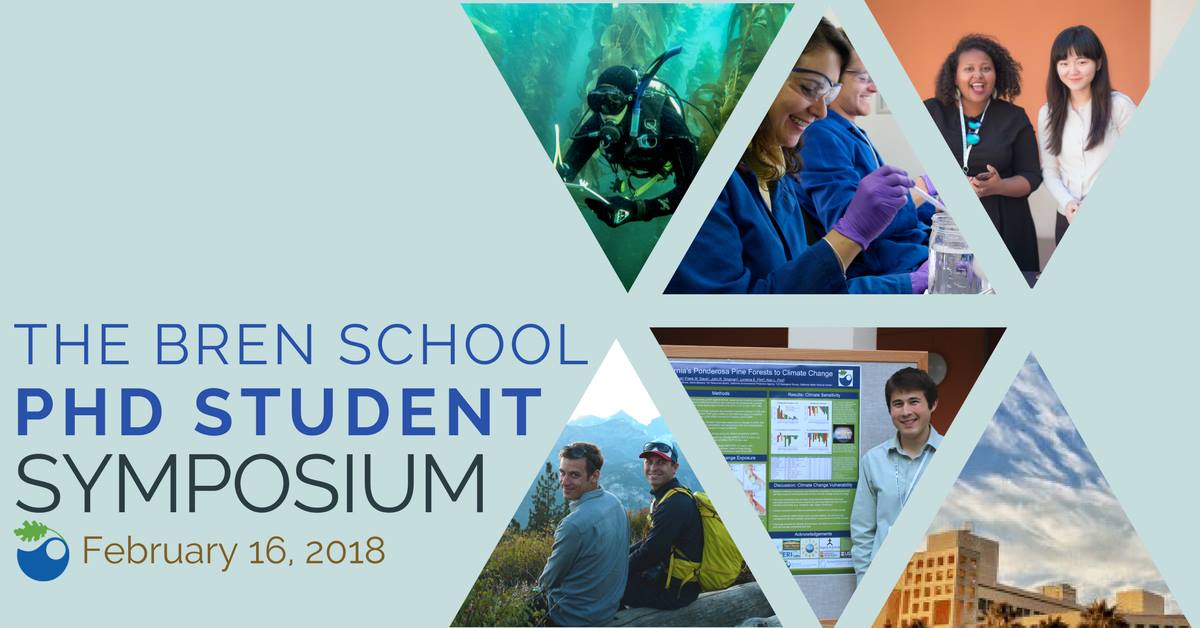
Tague Team Lab members will be taking part in the 2018 Bren PhD Student Symposium that will be held Friday, February 16,
 The Tague Team Lab